
Welcome to Tea or Coffee. Explore our practical guides designed for better focus and steady energy throughout your day.
Best Cold Brew for Energy: RTD, Concentrate & Café Picks
Key Takeaways:
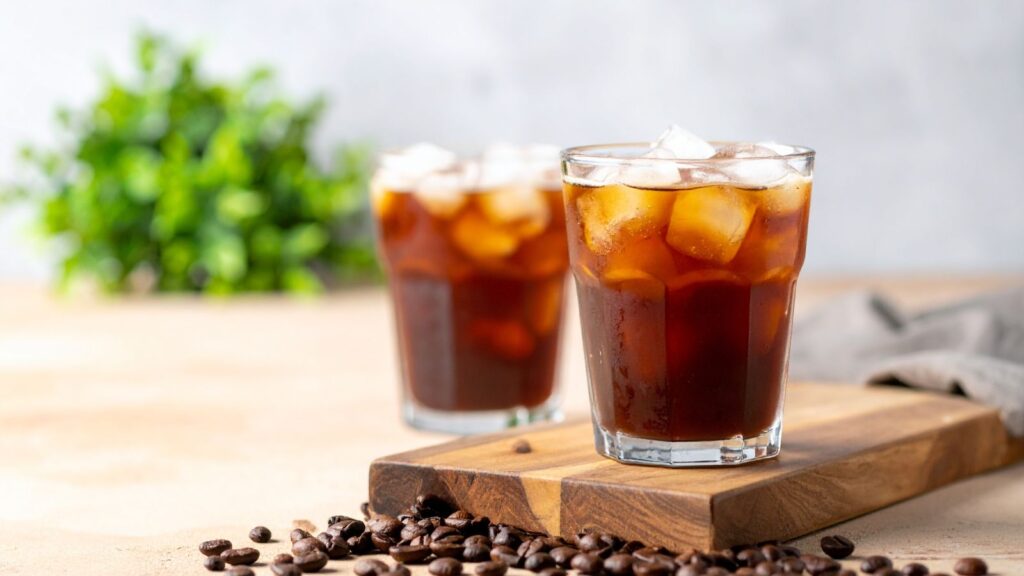
- Ready-to-drink cold brews offer a consistent on-the-go option, while concentrates give you budget-friendly customization
- Check the caffeine in the amount you actually plan to drink
- Choose a format that fits your routine: ready-to-drink, concentrate or café
- Compare caffeine in milligrams per serving, even when two drinks look the same size
- Check the ingredient list if you prefer coffee without added sweeteners
Looking for the best cold brew for energy? Start with the caffeine in the amount you actually plan to drink. This guide compares ready-to-drink coffee, concentrates and café orders by serving size and convenience.
We cover what actually helps you choose: convenience versus cost, how caffeine levels differ across formats, and which options work for different situations. For broader guidance on energising coffee across all brew methods, see our best coffee for energy guide.
Planning a pre-exercise coffee? Our coffee before workout guide covers timing, research and precautions.
Table of Contents
What determines caffeine in cold brew?
Cold brew varies by recipe, product and serving size. Compare milligrams of caffeine in the portion you plan to drink.
A small can can contain nearly as much caffeine as a larger café drink. The examples below show why checking the label is more useful than judging by cup size alone.
For comparison, Mayo Clinic’s caffeine chart lists about 96 mg for 8 fl oz of brewed coffee.
Best Cold Brew for Energy: How to Choose a Format
Best ready-to-drink for daily energy
Stumptown Hair Bender Nitro (US/widely available) is a popular choice among energy seekers. The nitrogen infusion creates a creamy texture without dairy, and the blend balances intensity with smooth drinkability. Premium tier pricing.
Wandering Bear Original Black is a ready-to-drink option with 200 mg per 8 fl oz can according to the maker. Check storage instructions on the package.
STōK Extra Bold (US/widely available) offers budget-tier pricing and is widely available in most grocery stores. STōK also offers an Energy line with added ingredients; check the labels for sugar and sweeteners if you’re avoiding them.
Best concentrate for customizable caffeine
Chameleon Cold Brew Concentrate is a mix-at-home option. Use the directions on your bottle and measure the concentrate before adding water or milk.
Jot Ultra Coffee provides 140–150 mg per tablespoon according to the maker. Measure the tablespoon before adding water or milk.
Trader Joe’s Cold Brew Coffee Concentrate (US in-store only) offers budget-tier value, though you’ll need to visit a store rather than ordering online. The straightforward flavour works well for daily drinking without demanding a refined palate.
Best café orders
Starbucks Grande Cold Brew lists approximately 205 mg for 16 fl oz in its standard US recipe.
Dunkin’ Cold Brew is another café option. Check the current nutrition information for the size and recipe you order.
Peet’s Cold Brew is another café option where available. Check the menu for the drink and serving size.
Ordering tip: Order plain cold brew if you prefer it without flavored syrups. Check the caffeine for the actual size you order.
Best for moderate caffeine intake
Califia Farms Pure Black is an unsweetened option. Check the bottle or the manufacturer’s caffeine information before choosing it for a lower dose.
Concentrate dilution: For less caffeine, use less concentrate. Adding more water to the same amount of concentrate makes the drink less concentrated while leaving the total caffeine unchanged.
Smaller servings: Pour less of the same drink to lower the dose. Compare the labels when switching brands or formats.
RTD vs concentrate vs café — which format fits your life?
| Characteristic | Ready-to-drink | Concentrate | Café order |
|---|---|---|---|
| Prep time | Zero (grab & go) | 30 seconds mixing | Travel + ordering |
| Cost tier | Budget to Premium | Budget to Mid | Mid to Premium |
| Strength control | Fixed dose | Fully customizable | Fixed (add shots for more) |
| Where you use it | Anywhere | Home, office | Coffee shop only |
| Ideal for | Busy mornings, gym, travel | Budget-conscious, control | Variety, meetings, social |
Choose ready-to-drink when convenience matters. Check the caffeine per serving and whether a bottle contains more than one serving. Follow the storage directions.
Choose concentrate when you want to measure your own portion. If you would rather brew a batch at home, compare the best cold brew coffee maker options.
Choose café orders when you want a drink made to order. Check the published caffeine figure for the size you choose.
Caffeine by serving size
These are examples from the manufacturers. The caffeine in an 8 fl oz or 16 fl oz cold brew depends on the product. For concentrate, count the amount you measure before diluting it.
| Product | Serving | Caffeine |
|---|---|---|
| Wandering Bear Original Black | 8 US fl oz can | 200 mg |
| Starbucks Grande Cold Brew | 16 US fl oz café drink | About 205 mg |
| Jot Ultra Coffee | 1 tablespoon concentrate | 140–150 mg |
Water or milk changes the volume and strength of the drink. The caffeine comes from the amount of concentrate you add.
Cold brew vs espresso: caffeine per serving
Mayo Clinic’s chart lists about 63 mg of caffeine for a 1 fl oz espresso. Compare that with the total in the cold brew you plan to order.
A 16 fl oz cold brew can contain more total caffeine than one or two espresso shots. The amount depends on the café and recipe.
Espresso packs more caffeine into a small volume, while cold brew is often sold in larger portions.
The takeaway: Choose by caffeine per serving. If you add an espresso shot to cold brew, count the caffeine from both.
Quick note on cold brew and sensitive stomachs
A laboratory study comparing hot and cold brew found similar pH values across the samples it tested. It measured the coffee, so individual stomach tolerance remains a separate question.
If you’re concerned about stomach comfort, start with smaller servings and moderate-caffeine options. Pay attention to how your body responds and adjust accordingly.
For more on this topic, read our low-acid coffee for reflux guide.
How to choose the right cold brew for your energy needs
Match caffeine to your tolerance. The FDA cites 400 mg per day as an amount generally not associated with negative effects for most adults. Count all caffeine sources and use the product label to work out your portion.
Pick your format based on lifestyle. Ready-to-drink suits people who need grab-and-go convenience for commuting, travel, or gym sessions. Concentrate fits budget-conscious home drinkers and anyone wanting precise control over caffeine levels. Café cold brew serves variety seekers and those who prioritise freshness.
Check what’s added. Most straight black cold brews contain only coffee and water. Some RTDs add sugar, sweeteners, or extra stimulants. Check labels if you’re avoiding these.
Separate flavor from caffeine. Use the stated milligrams per serving when comparing drinks labeled bold or extra bold.
Check local availability. Products, recipes and serving sizes can vary by market.
Frequently asked questions
Does cold brew have more caffeine than espresso?
Compare the caffeine per serving. Mayo Clinic lists about 63 mg for a 1 fl oz espresso. Cold brew can contain more total caffeine when the serving is larger, depending on the product.
How can I find the strongest cold brew?
Compare milligrams per serving and check how many servings are in the package. For a concentrate, use the caffeine figure for the amount you measure.
Is cold brew better for energy than regular coffee?
Caffeine intake depends on the recipe and serving size. A larger cold brew can contain more caffeine than a smaller cup of regular coffee, so compare actual amounts.
How much cold brew is safe to drink daily?
The FDA cites 400 mg a day as an amount generally not associated with negative effects for most adults. Count caffeine from all sources. The amount per cold brew varies by product and serving size, and individual sensitivity varies.
Does nitro cold brew have more caffeine?
Nitrogen gives the drink its texture. Compare the published caffeine for the exact nitro and regular drinks you are considering, since their recipes and serving sizes can differ.
Is cold brew easier on your stomach than hot coffee?
Tolerance varies. A study found similar pH for the hot and cold brews it tested, but it did not measure how people felt after drinking them.
Conclusion
Cold brew comes in ready-to-drink, concentrate and café formats. Compare the caffeine in your own serving before choosing.
Ready-to-drink is convenient, concentrate lets you measure the amount you use, and café menus may list caffeine by size.
Whatever format you choose, check the label for caffeine content and ingredients. That one step saves you from guessing and makes sure you get what you’re actually looking for.
