
Welcome to Tea or Coffee. Explore our practical guides designed for better focus and steady energy throughout your day.
Best Coffee for Weight Loss: What Actually Helps (And What Backfires)
Introduction
The best coffee for weight loss comes down to what is in your cup and how you tolerate it, rather than a special bean or roast. Caffeine can disturb sleep or cause anxiety, while added sugar, cream, and oils increase the calories in your drink.
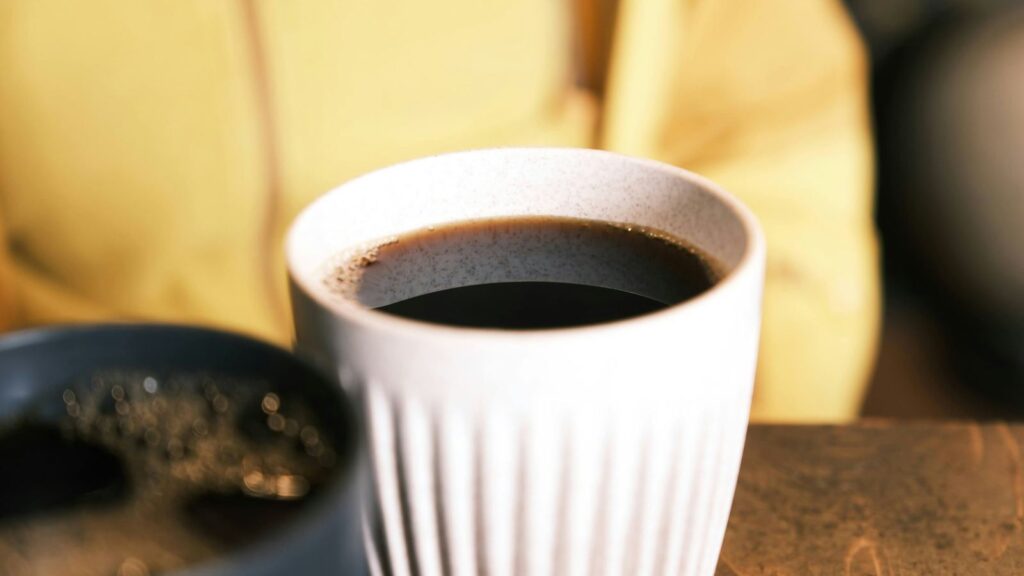
Here is how to choose a coffee you enjoy, compare add-ins, and decide whether your usual amount or timing needs adjusting.
If you want more tips on avoiding energy crashes, check out our guide to the best coffee for energy.
Table of Contents
Best Coffee for Weight Loss: Quick Answer
The best coffee for weight loss is usually a simple drink you enjoy: black coffee, an Americano, espresso, or unsweetened cold brew. These are low-calorie options, not weight-loss treatments. Choose according to the calories in your drink, your sleep, and your caffeine tolerance.
Quick checklist:
- Minimal calories from add-ins
- Doesn’t wreck sleep quality
- Doesn’t trigger jitters or anxiety
- You can stick with it daily
If coffee makes you jittery, ruins your sleep, or becomes a daily calorie leak, it’s hurting more than helping.
What “Best” Actually Means for Weight Loss (Not Marketing)
When people search for “best coffee for weight loss,” they usually want a magic option that burns fat. That doesn’t exist.
Choose according to your preferences, portion sizes, and caffeine tolerance. You can enjoy milk or sweetness in your coffee; the amount matters more than a strict rule about drinking it black.
The “best” coffee isn’t about bean origin or roast level; it’s about preparation choices and timing that fit your tolerance and keep calories low.
Best Coffee Choices for Weight Loss (What to Order)
These unsweetened options are generally low in calories. For milk-based drinks, compare the serving size and ingredients.
What to order:
- Black drip coffee – Simplest default with nothing to create calorie creep
- Americano (no syrup) – Espresso + hot water, near-zero calories with different flavor
- Espresso / doppio – Concentrated, quick, naturally low-calorie
- Cold brew unsweetened – Smooth and naturally low-calorie (always specify unsweetened)
- Iced coffee unsweetened – Regular coffee over ice with minimal calories
- Decaf versions of the above – Useful if caffeine disrupts sleep or triggers anxiety
- Cappuccino or latte with minimal milk – Workable compromise if you need creaminess (small size, no syrup)
What to say at the counter: “No syrup, no sweetener, no flavored creamer.”
The pattern is simple: almost any coffee preparation can work if you keep it simple. Most problems happen at the moment you customize the drink.
Coffee Add-Ins and Their Calories
Start with the extras you use every day. A measured splash of milk and a large pour of sweetened creamer make very different drinks.
Add-ins to account for
- Sugar, honey, or agave (small amounts add up across multiple cups)
- Sweetened flavored syrups (check the label; sugar-free versions differ)
- Sweetened creamers (often sugar + fat in very easy-to-overpour form)
- Whipped cream toppings (calories vary with portion size)
- Large amounts of whole milk or half-and-half (a splash is one thing; heavy pour is another)
- Butter, coconut oil, or MCT oil (bulletproof-style; more on this below)
Options with little added sugar
- Small measured splash of unsweetened milk
- Unsweetened almond milk or other unsweetened plant milks in small amounts
- Cinnamon or cocoa powder for flavor
- Zero-calorie sweeteners (reduce added sugar, but are not a proven long-term weight-control strategy)
A coffee drink can contribute substantial calories, depending on the recipe and serving size. Check the ingredients rather than assuming it replaces a meal. The WHO guideline on non-sugar sweeteners conditionally recommends against using them for long-term weight control; this is not a judgment that approved sweeteners are unsafe.
A low-calorie option: black coffee
Plain black coffee is low in calories. You do not need to drink it black: milk or a measured sweetener can fit your preferences and overall eating pattern.
If you need add-ins: compare portions
Compare your usual additions and the portions you actually pour:
- Plain: Black coffee, or coffee with cinnamon/unsweetened cocoa
- Milk: Coffee with small measured splash of unsweetened milk (don’t free-pour)
- Non-sugar sweetener: Coffee with zero-calorie sweetener if you need sweetness
- Caloric sweetener: Coffee with sugar, honey, or any caloric sweetener
- Multiple add-ins: Specialty drinks with multiple add-ins (sweetener + cream + syrup + topping)
The rule isn’t “never have add-ins.” The rule is: treat a dessert-like drink like dessert in your daily budget.
Does Coffee Help You Lose Weight? (Honest Answer)
Caffeine can temporarily increase energy expenditure, but that does not establish meaningful, lasting weight loss from drinking coffee. The NIH Office of Dietary Supplements review notes uncertainty about weight-loss effects and the development of caffeine tolerance.
What to expect from coffee:
- Appetite effects are uncertain: a review of coffee, caffeine, and appetite found mixed evidence, with short-term caffeine effects not equivalent to reliable appetite control from coffee
- Caffeine can increase alertness
- Coffee can be part of a daily routine you enjoy
Ways coffee may backfire:
- Caffeine can disrupt sleep, especially when consumed too close to bedtime
- Caffeine can cause anxiety and jitters
- Coffee can cause GI discomfort, which can disrupt normal eating patterns
Coffee is optional. There is no reason to start drinking it or increase caffeine to pursue weight loss.
Coffee Timing for Weight Loss (So Sleep Doesn’t Get Wrecked)
There is no special coffee-drinking window for weight loss. The useful question is whether your timing leaves you sleeping well.
Morning coffee leaves more time before bed. Later-in-the-day coffee increases the risk of sleep disruption for many people.
A practical check: If sleep worsens, consider moving caffeine earlier or reducing the amount. Night waking has many possible causes, so a change in sleep alone does not prove coffee is responsible. Persistent sleep problems deserve medical advice.
For practical timing considerations, see our guide to the best time for tea or coffee.
When Coffee Makes Weight Loss Harder (And What to Do)
Look at your usual drink, how you feel after it, and whether it affects meals or sleep. These observations can help you decide what to adjust; they do not, by themselves, show that coffee caused a change in weight or appetite.
Patterns worth monitoring
- Sleep quality worsens or you struggle to fall asleep
- Increased anxiety, jitters, or “wired then crashed” pattern
- Stress eating or impulsive food choices later in the day
- GI discomfort that disrupts normal eating
- Add-ins creeping upward until coffee becomes daily calorie leak
- Increased sweet cravings throughout the day
Anxiety and jitters
Caffeine can cause nervousness or jitters, as described in the NIH caffeine safety review. If this happens to you, consider reducing caffeine; our guide to coffee and anxiety discusses tolerance.
The fix is not “push through.” The fix is to reduce coffee, simplify it, or switch to decaf.
Sleep disruption
If caffeine appears to disturb your sleep, try an earlier serving or a smaller amount. Decaf is another option if you enjoy a later cup.
GI sensitivity disrupting eating patterns
Coffee stimulates digestion, which is great for some people and a mess for others. If coffee causes stomach upset or urgent bathroom trips, it can throw off meals and appetite signals. The fix is to keep coffee simple and avoid drinking it on a completely empty stomach if that’s a trigger for you.
The add-in creep pattern
This is the quiet problem. You start with black coffee, then add “a little” sweetener, then a little cream, then syrup. Before long, the drink is much richer than the one you started with.
The fix is to reset. Go back to black or a minimal measured add-in for a few days and set a rule you can actually follow.
Bulletproof Coffee for Weight Loss: Reality Check
Coffee with butter or MCT oil adds fat and calories. It is not a proven fat-burning drink or a nutritionally balanced meal replacement.
Feeling full after a butter coffee does not tell you whether it will help with weight loss.
If you drink it, account for the ingredients and portion size rather than treating it as calorie-free black coffee.
If You Train for Weight Loss, Here’s How Coffee Fits
If you already drink coffee before training, the practical questions are how much you tolerate and whether the timing affects your sleep. Our guide to coffee before a workout covers the exercise evidence and timing considerations.
You do not need to add coffee to your routine to exercise or lose weight.
Best Coffee for Weight Loss: Decision Guide (Pick Your Path)
Start with the situation that sounds most like you:
Low-calorie options: Black coffee, Americano, espresso, or unsweetened cold brew earlier in the day
You need creaminess: Choose small latte/cappuccino with no syrup and minimal milk
Coffee makes you anxious or jittery: Reduce it or go decaf, and keep it simple
Sleep suffers: Move coffee earlier or cut it back until sleep stabilizes
GI issues: If an empty-stomach cup bothers you, try having it with food; keep add-ins simple
You love specialty drinks: Treat them like desserts and budget them honestly
The best choice is the one you can sustain without creating sleep disruption, anxiety triggers, or calorie creep.
Coffee Tolerance: A 3–5 Day Observation Log
Use this as a short observation log for sleep, symptoms, and drink ingredients. Three to five days cannot establish a weight-loss effect or prove that coffee caused a change.
Step 1: Pick one baseline coffee approach Choose black coffee, an Americano, unsweetened cold brew, or one minimal add-in you’ll measure. Drink it at roughly the same time each day.
Step 2: Note the context Record changes in meals, workouts, sleep, or stress alongside your coffee. These can help explain a day that feels different.
Step 3: Track four markers daily Track hunger and cravings, energy stability, sleep quality, and anxiety/jitters. If one gets worse, treat it as data, not willpower failure.
Step 4: Adjust one variable at a time Move timing earlier, reduce the amount, or simplify add-ins. Changing one thing at a time may make patterns easier to notice.
Step 5: Decide based on the pattern If you enjoy coffee and tolerate it, you may choose to keep it. If symptoms appear, reduce it or switch to decaf. Do not use coffee to suppress hunger or replace meals.
Use the notes to choose a drink and routine that feel comfortable and fit your day.
Health & Safety Note
General information only: This article provides general information about coffee and weight management. It is not medical advice and should not replace consultation with a qualified healthcare provider or registered dietitian.
Who should be cautious: If you have anxiety disorders, heart conditions, digestive issues, are pregnant or breastfeeding, or are taking medications, consult your healthcare provider before significantly increasing coffee intake.
Weight loss guidance: Sustainable weight loss requires overall calorie management, adequate nutrition, and healthy lifestyle habits. Coffee is a minor tool, not a solution. If you have concerns about your weight or eating patterns, speak with a healthcare professional.
Listen to your body: If you experience increased anxiety, sleep disruption, digestive discomfort, or rapid heartbeat, reduce your intake or discontinue use.
For a broader look at the evidence on both drinks, see Tea vs Coffee for Health.
FAQ: Best Coffee for Weight Loss
What is the best coffee to drink to lose weight?
Plain coffee, Americanos, espresso, and unsweetened cold brew are generally low-calorie choices. None has been shown to be the best coffee for weight loss. Choose according to taste, ingredients, and caffeine tolerance.
Does black coffee help with weight loss?
Black coffee is low in calories, which makes it a simple option if you enjoy it plain. That does not mean it burns enough fat to produce lasting weight loss. Your overall eating pattern still matters.
Does coffee help you lose weight or just suppress appetite?
Neither effect is reliable enough to recommend coffee for weight control. Short-term caffeine effects on appetite or energy expenditure do not establish sustained weight loss from coffee.
Is decaf coffee good for weight loss?
Unsweetened decaf is a low-calorie option if you prefer less caffeine. As with regular coffee, milk, sugar, and other additions change the calories in the cup.
Coffee with milk vs black: which is better for weight loss?
Black coffee generally contains fewer calories than the same drink with milk. Milk also contributes nutrients, and a portion that suits your eating pattern need not prevent weight loss.
How much coffee should I drink when trying to lose weight?
There is no recommended coffee dose for weight loss. Do not increase caffeine for that purpose. Base your intake on tolerance and any advice from your clinician.
Can coffee hurt weight loss?
Sweetened or fat-rich coffee drinks can add substantial calories, so check the recipe and portion size. If caffeine also leaves you jittery or sleeping poorly, consider a smaller amount, an earlier cup, or decaf.
Conclusion: What Actually Matters
Start with your usual order: the cup size, milk, sweeteners, and any extras. Choose something you enjoy that fits your eating plan.
The best coffee for weight loss is the one with minimal add-ins, consumed in a way that doesn’t wreck sleep, and tolerated without anxiety triggers. Use the short observation log to assess tolerance, not to judge weight-loss effectiveness.
You do not need a special roast or an elaborate coffee routine. A familiar drink, sensible portions, and timing that suits your sleep are a practical place to start.
What is your usual coffee order? Share the change that made it easier to enjoy, whether that was a smaller cup, different add-ins, or switching to decaf.
